
About Chehalem Mountain
Water Council
The state classified this area as Groundwater Limited in 1991.
In 1991, the Oregon Water Resources Department formally designated Chehalem Mountain as a Groundwater Limited Area — a classification triggered by excessive declines in groundwater levels across the Columbia River Basalt aquifer system that most residents draw from. That designation established more restrictive permitting for new groundwater uses. This has stabilized levels over time.
Stabilization isn't the same as security. Chehalem Mountain's aquifer system faces ongoing pressure from residential development, commercial water demands, and a changing climate — each one capable of undoing decades of careful management. Remaining diligent means staying engaged with every application, every permit, and every new use that comes before the state. That's what CMWC is built to do.
We’re here for the long game.
CMWC exists to protect Chehalem Mountain's water supply — not just from the threats in front of us today, but from the pressures of tomorrow. Here's what that commitment looks like in practice:
-
We work to promote the responsible development and management of both groundwater and surface water — maximizing beneficial use for the community without waste.
-
We foster awareness that water resources on Chehalem Mountain are limited, and work alongside residents to conserve what we have and protect the rural character of this community.
-
We advocate for reasonable, evidence-based water use regulations and sound management practices grounded in real data — not assumptions.
-
We maintain active contact with the Oregon Water Resources Department and other agencies involved in water conservation and watershed restoration within the Chehalem Mountain Groundwater Limited Area.
-
We support the work of other organizations involved in water conservation and watershed restoration on Chehalem Mountain — wherever their goals align with ours.
-
We are collaborating with residents and local conservation agencies to develop a place-based water resource plan that will serve this community for generations.
Our Board Members
-
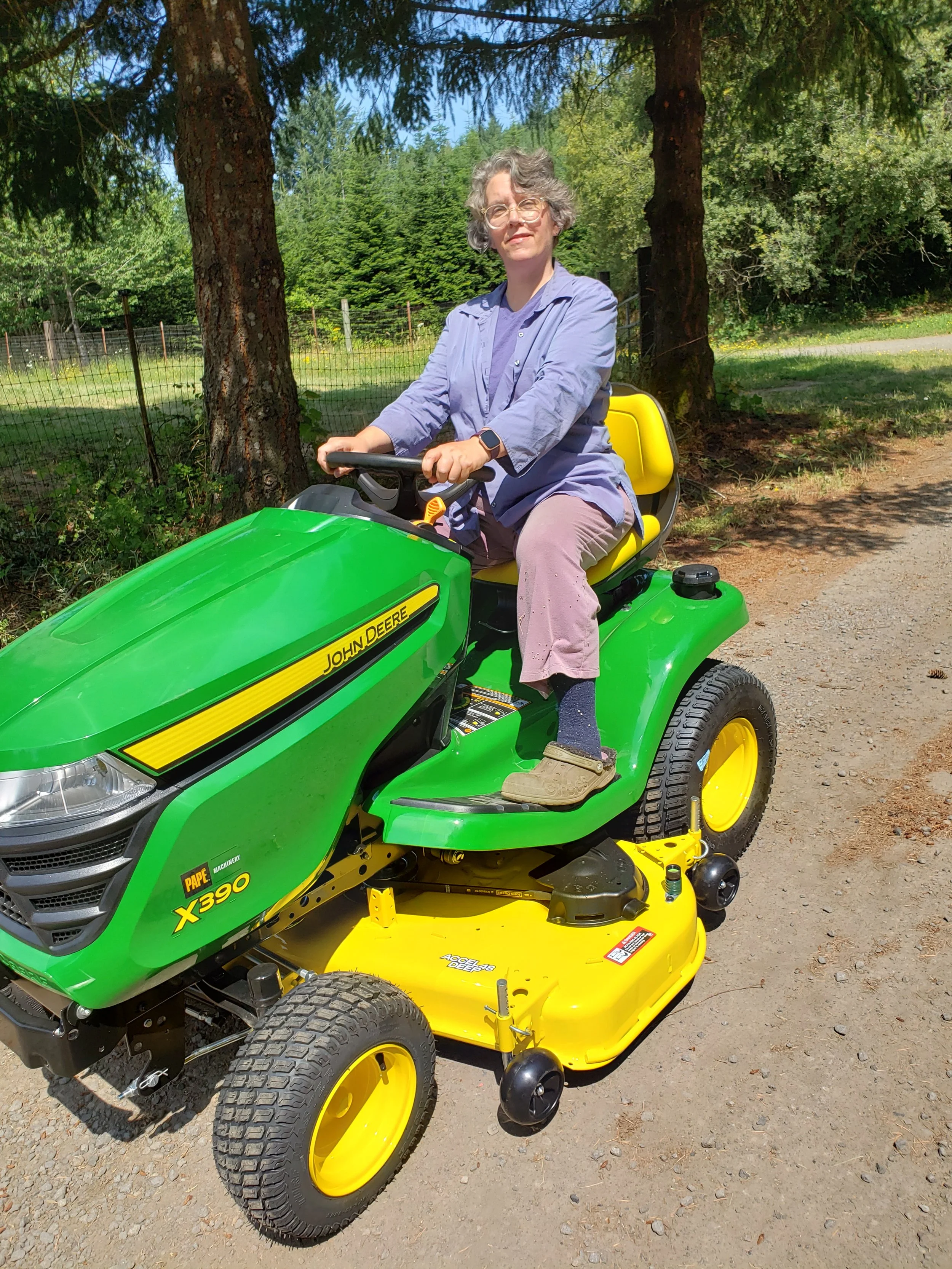
I moved to Chehalem Mountain a few years after I retired from a 25 year career working as a water resources engineer in the public sector. I was aware that our groundwater was limited. This was very important to me as I am crazy infatuated with gardening! It didn't take long for me to learn that my skills were valuable to my community and my neighbors were a whole lot of fun to work with. We have had many successes together so far. I am all in!

-
Juliette Wait MD practiced critical care and pulmonary medicine for about 46 years before retiring in Oregon. Her family owns property on Chehalem Mountain which alerted her to the water issues involved with living there. She also has a background in medical research and is interested in scientific data to support the wise and appropriate use of water resources. After her retirement in late 2020, she teamed up with other residents on Chehalem Mountain to oppose the potential approval of an irrigation well to a farm at the top of Chehalem Mountain. The application requested irrigation for 20 acres of hemp in addition to an existing marijuana cultivation and production facility.
She served as the first president of Save Chehalem Mountain and is now the treasurer of Chehalem Mountain Water Council while continuing to serve on the board.
-
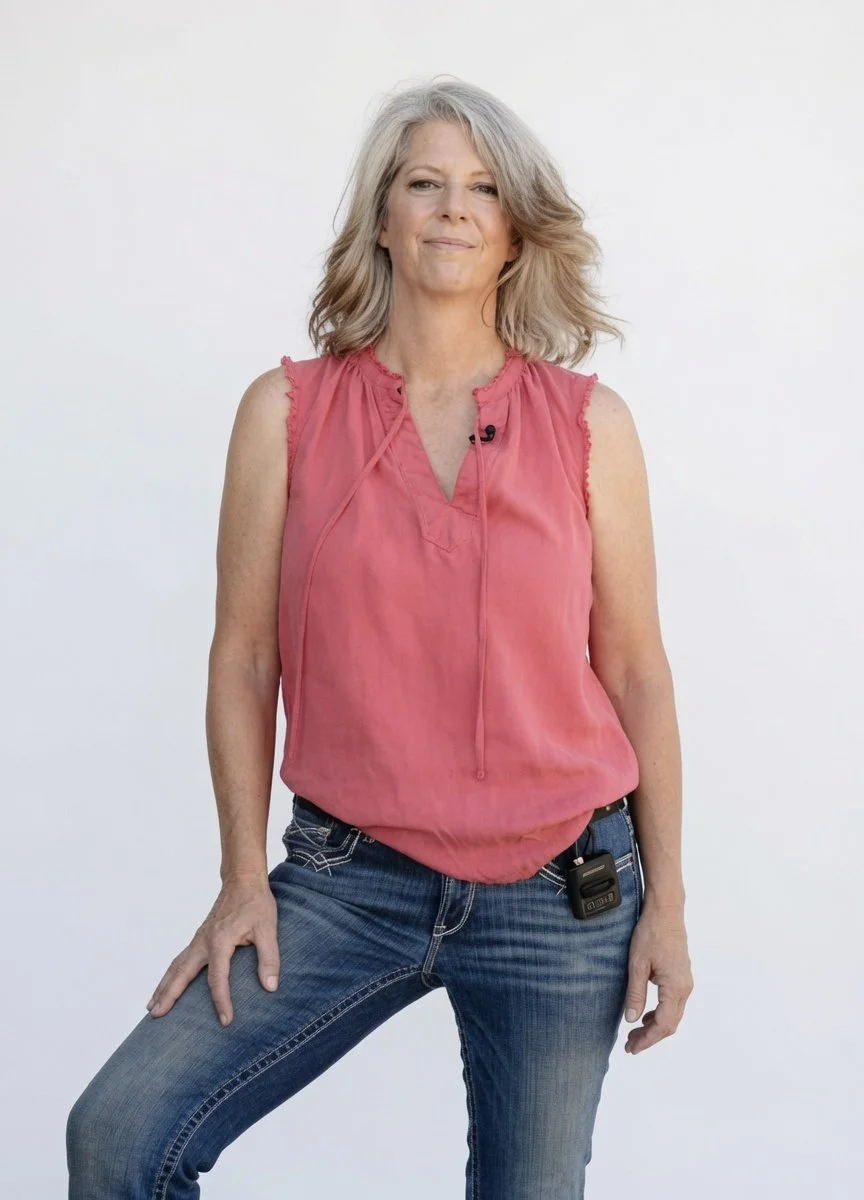
Amy Pate is a seasoned leader and advocate for sustainable agriculture and community resilience. As CEO and Co-Founder of Bonzi Technology, she built and led a technology company focused on market-leading solutions and technologies. Together with her husband, she stewards a 184-acre organic farm in Washington state that holds 273 acre-feet of water rights. This hands-on experience has given her deep familiarity with water resource management, irrigation systems, and direct engagement with government agencies overseeing these vital resources.
A graduate of the Soil Food Web soil microbiology coursework, Amy brings advanced expertise in regenerative agriculture, soil health, and ecosystem restoration. In Yamhill County, Oregon, she manages her homestead property on Chehalem Mountain using regenerative and organic methods. She is particularly passionate about water conservation and availability—issues she sees as critical for her community and the broader Pacific Northwest.
Her unique combination of executive leadership, practical farming experience, and proven ability to navigate regulatory environments makes her well-equipped to deliver strategic insight and grounded perspective to volunteer boards serving rural and agricultural communities.
-
Biography coming soon.
-
Biography coming soon.
-
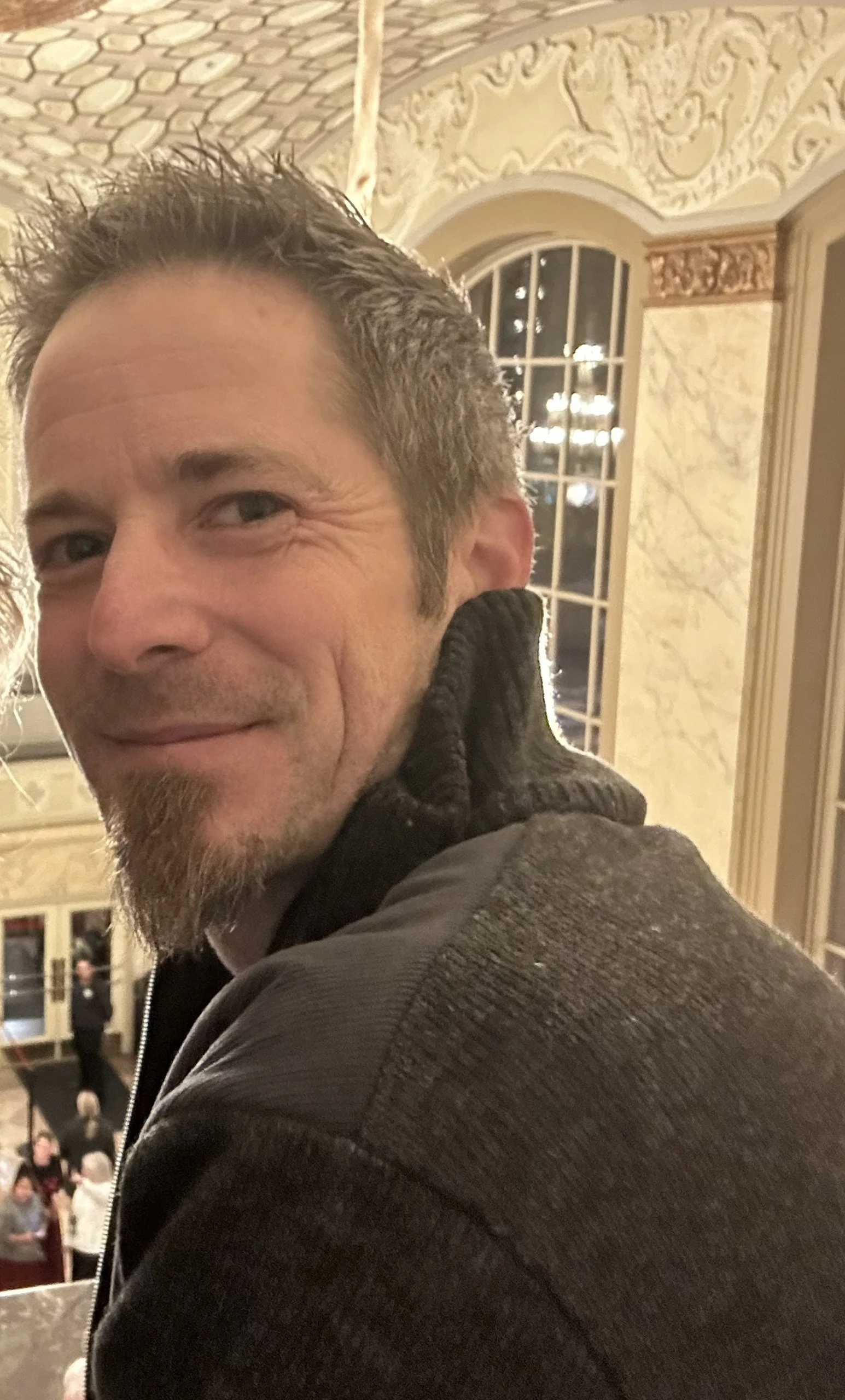
I've been living on Chehalem Mountain for over a decade now and it has been wonderful; I enjoy all the trees, the picturesque views, and the water is superb. However, there is an underlying concern that our water supply will disappear, and I don't want to see that happen to any of my neighbors or my family, thus I want to help where I can on protecting our groundwater on the mountain.
After my time in the military I jumped into Information Technology and for almost 30 years I've been working for non-profit healthcare companies here in the PNW.
-
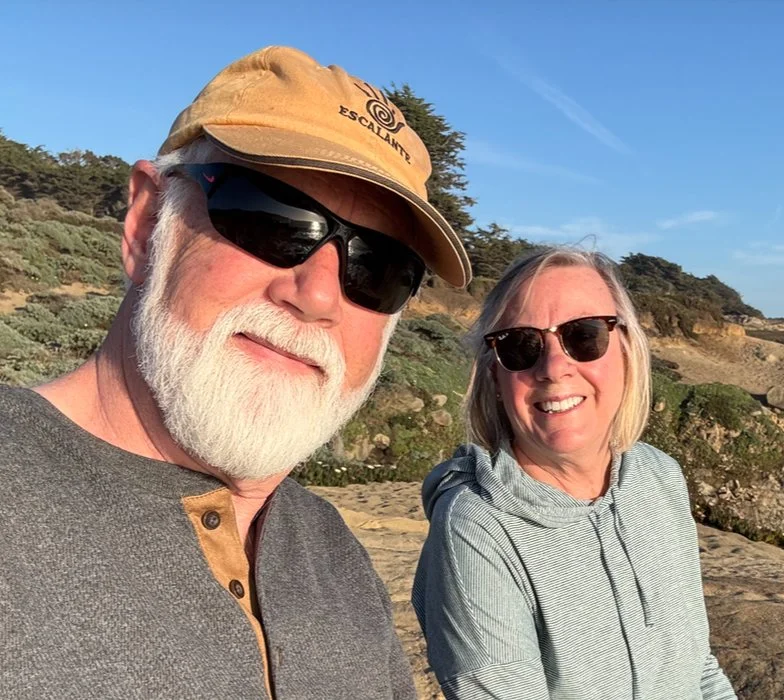
We live on Neugebauer Road and are mostly retired (Larry works part-time at Raptor Ridge Winery) and now working as potters and gardeners. We host the annual Chehalem Mountain Art Affair on our property. Water is essential for every living thing, including our forest, vegetable garden, and us. If we are to be stewards of the land, we must protect the quantity and quality of the supply, especially when the source is limited.
-
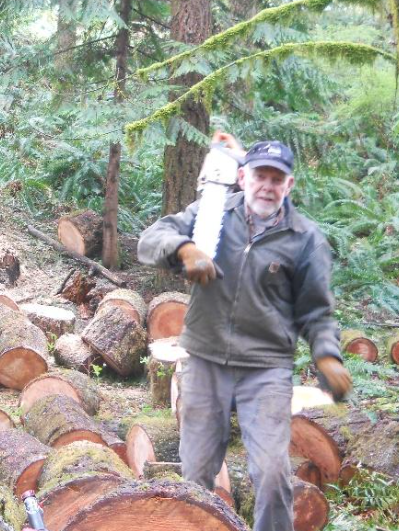
In 2019, I learned that a 20 acre agricultural operation would be located on the top of the Chehalem Mountain Groundwater Restricted Area and had filed an application to use groundwater to irrigate 20 acres. I rely on a well for domestic use and enjoy a creek that originates from a spring on that property. I was concerned about the effects an irrigation use of 6,17,020 gallons of water/year would potentially have on nearby wells and surface water.
Yamhill County Planning & Development determined irrigating 20 acres was allowed outright. However, the final decision was up to the OREGON WATER RESOURCES DEPARTMENT, which have special rules for water use.